ByteComputerRepairs
Archive Foundation
An independent digital museum and scholarly publisher, dedicated to preserving and interpreting the engineering heritage of microcomputing and semiconductor science.
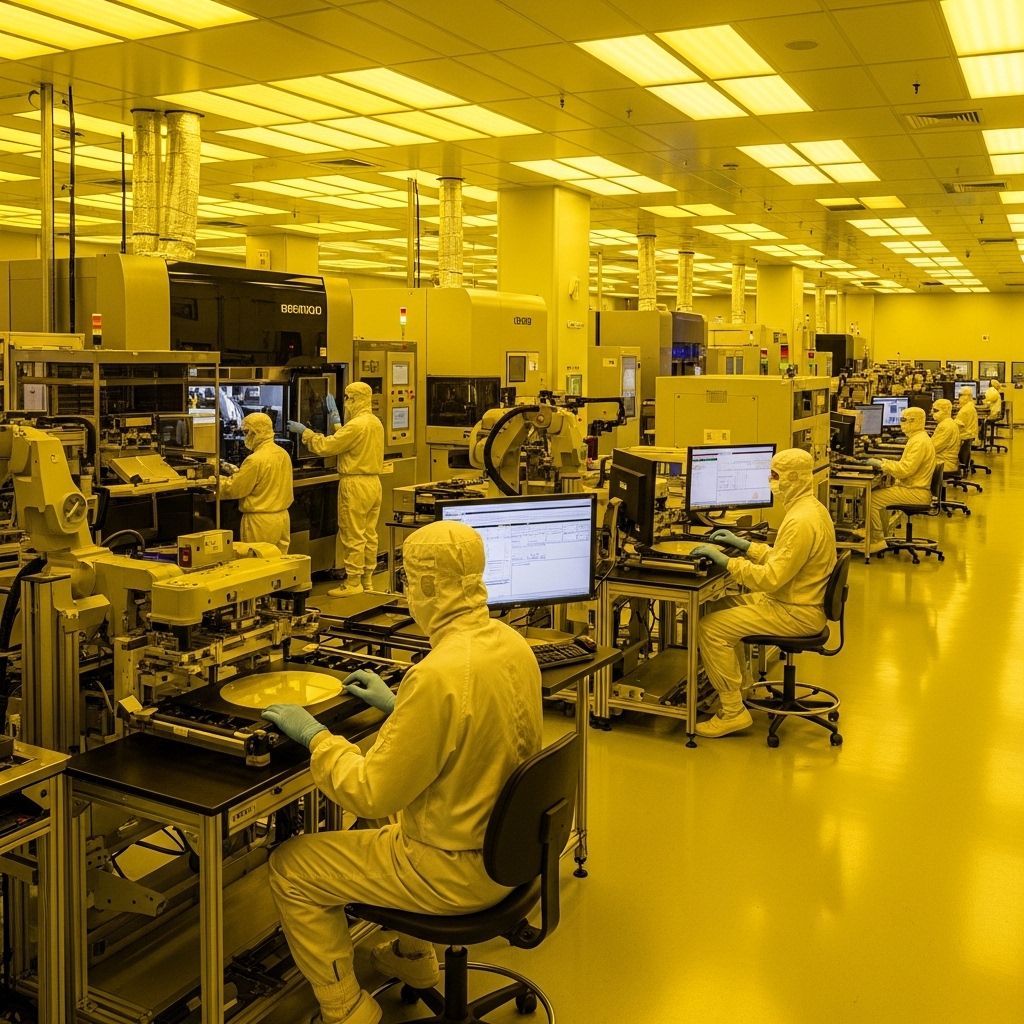
Founded on an Engineering Conviction
The ByteComputerRepairs Archive Foundation was established in Milan in 2014 by a group of engineers, academic historians, and science communicators who shared a concern that the technical heritage of the semiconductor revolution was being lost in the accelerating pace of commercial iteration. The transistor had been invented more than six decades earlier; the integrated circuit, five; and yet no comprehensive Italian-English digital archive existed to document these achievements with the rigour they deserved.
The Foundation began as a modest collection of digitised engineering specifications, photographic documentation of fabrication processes, and annotated bibliographic records of landmark papers in solid-state physics. Over the following decade, the project expanded to include original editorial content — peer-informed articles, interactive educational resources, and a curated collection of virtual exhibits.
Today, the archive is maintained by a volunteer editorial board comprising academic contributors from across Europe, with administrative operations based at our registered address in the Niguarda district of Milan. All content is produced independently, without commercial sponsorship or advertorial arrangement. The Foundation does not offer repair services, consultancy, or any form of hardware commerce.
Editorial Principles
Every article published in the ByteComputerRepairs Journal is researched with reference to primary technical literature, including IEEE Spectrum archives, JEDEC standards documentation, and published fabrication process disclosures. Our editorial standard requires that claims be traceable to documented engineering records rather than derived from secondary popular sources alone.
We maintain a strict separation between editorial content and any external relationship. Partnership contributors who submit scholarly articles for review are held to the same sourcing standards as the in-house editorial team. No contributor may advocate for or against specific commercial products.
Scope and Collection
The archive's thematic scope spans five principal subject areas: semiconductor physics and materials science; microprocessor architecture and instruction set design; photolithographic process history; the history of Boolean logic and its physical implementation; and the material science of circuit board substrates. These subjects are treated as an integrated engineering history rather than isolated technical disciplines.